

Pharmacy is the science and technique of preparing and dispensing drugs. It is a health profession which is directly linked with health and chemical sciences and aims to ensure the safe and effective use of pharmaceutical drugs. There are various types pharmacy that are described below:
Community Pharmacy
There are many different types of pharmacy, but among these the leading pharmacy is community pharmacy and also known as retail pharmacy. The community pharmacy is the most well known type of pharmacy. Pharmacist can tell their customers what drugs may interact with each other or with alcohol and help prevent dangerous or troublesome combinations or side-effects of medication.

Hospital Pharmacy
A hospital pharmacy is the place where the management of medications occurs in a hospital, medical clinic or nursing home. They may also be involved with clinical trials. Hospital pharmacists may be inpatient or outpatient pharmacists, and may also specialize in one or other area of pharmacotherapy.

Clinical Pharmacy
The clinical pharmacy exists in hospitals, nursing homes and other medical centers. The aim of clinical pharmacy is to ensure the optimal use of medications for the best outcomes through the provision of drug information and monitoring for drug safety and efficacy.
Compounding Pharmacy
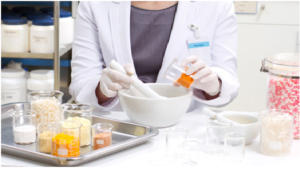
A compounding pharmacy involves the production and preparation of medicines in new forms. This may include reformulating a powder tablet to a solution, which can help in the administration of the drug for certain patients.
Consulting Pharmacy
The consulting pharmacy focuses on the theoretical review of medications rather than dispensing medicines. Consultant pharmacists often work in nursing homes or visit patients in-home to provide their services, in order to enable them to use medications most effectively.
Ambulatory Care Pharmacy
The ambulatory pharmacy provides healthcare services to many patients in rural areas, particularly to geriatric populations. These pharmacists help in the management of patients who are at higher risk of drug-related problems or disease complications due to lack of control over the condition. As ambulatory pharmacy is a mobile service that can meet patients where they are, and therefore help to reduce the number of hospital visits that their patients require. They are often directly or indirectly employees of a managed healthcare organization.
Regulatory Pharmacy
Also known as government pharmacy, regulatory pharmacy is responsible for creating rules and regulations for the safe use of medicine to promote positive health outcomes. This includes pharmacists working in public health and regulatory health boards, such as the Food and Drug Administration in the United States.
Home Care Pharmacy
Home care pharmacy primarily involves the preparation and delivery of injectables to critically ill patients in the home environment. This is also sometimes referred to as infusion pharmacy, as only injectable medications are dispensed, and not medication administered in other forms, such as oral or topical. They may major in one or the other area of illness, such as infusions for nutritional support, chemotherapy, mental illness or oncology.
Managed care pharmacy
Managed care pharmacy involves the planning and management of medication in health maintenance organizations, such as hospitals, nursing homes and extended healthcare centers
Research pharmacy.
Research pharmacists work on developing new drugs and profiling their actions, effectiveness, side-effects and interactions.


















Pharmacy has very wide scope and it provides a great opportunity.
Comments are closed.