Personality
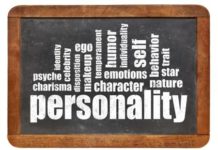
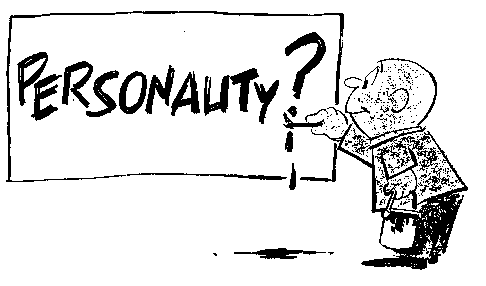
What makes you who you are as a personality? You perhaps have some idea of your have personality type — are you bouncy or reserved, aware or thick-skinned? Psychologists who attempt to taunt out the science of which we name personality as individual differences in the way public tend to think, feel as well as act.
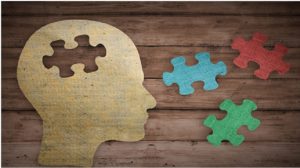
There are several ways to assess personality, but psychologists have regularly given up on trying carving up humanity precisely into types. Instead, they spotlight on personality traits.
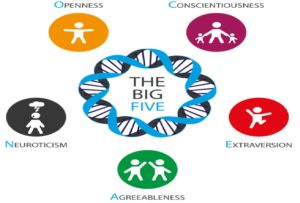
As a result the most extensively accepted of these traits are the large Five:
- Openness
- Conscientiousness
- Extraversion
- Agreeableness
- Neuroticism
Openness
Openness is shorthand for “openness to knowledge.” People who are lofty in openness enjoy escapade. They’re curious and value art, imagination and new effects. The saying of the open individual power is “Variety is the interest of life.”
People short in openness are just the conflicting: They favor to stick to their habits, shun new experiences and probably aren’t the mainly adventurous eaters. Changing personality typically consideres a tough procedure, but openness is a personality trait that’s been exposed to be subject to change in maturity.
Conscientiousness
People who are conscientious prearranges and have a burly sense of duty. They dependable, restrict and achievement-focus. You won’t discover conscientious types jetting off on a round-the-world journey with only a rucksack; they’re planners.
People low in conscientiousness adds spontaneous and unrestricted. Therefore They may liable toward recklessness.
Extraversion
Extraversion vs. introversion is possibly the majority recognizable personality trait of the Big Five. The additional of an extrovert a star is, the more of a social butterfly they are. Extroverts are lively, sociable and draw energy from crowds. They learn to be confident and cheerful in their public relations.
Introverts, on the additional hand, need copiousness of alone occasion, perhaps because of their intelligence process social interaction another way.
Agreeableness
Agreeableness events the extent of a person’s heart and sympathy. The more pleasing someone is, the more expected they are to be credulous, helpful and feeling. Disagreeable people are cold and apprehensive of others, and they’re fewer likely to oblige.
Neuroticism
To appreciate neuroticism, look no additional than George Costanza of the long-running sitcom “Seinfeld.” George is well-known for his neuroses, which the show blames on his dysfunctional parents. Therefor he doubts about all, obsesses over microbes and sickness and once quits a job because his nervousness over not having access to a confidential bathroom is too irresistible.
George may lofty on the neuroticism size, but the personality trait is actual. People high in neuroticism vacillate frequently and simply slip into disquiet and misery. If all is going fit neurotic people tend to unearth things to worry about. One 2012 study found that when neurotic people with superior salaries earned raises, the extra profits actually made them fewer content.
Indifference, people who short in neuroticism be inclines to be sensitively steady and even-keeled.
Here is the video about above personality traits.
Other personality measures
Though personality types contain fallen out of favor in the current psychological study as too reductive and consequently or they’re still old by career counselors and in the business world to help crystallize people’s kind of themselves. As a result Perhaps the most famed of these is the Myers-Briggs Type needle. A questionnaire based on the labor of early psychologist Carl Jung sorts citizens into categories based on four areas: feeling, instinct, feeling and thinking, as well as extra-version and introversion.
Sensing and instinct refer to how people favor gathering in order to the world, whether during real information or touching manner. Thinking and mood propose to how people make decisions. Thinking types go logic, while mood types follow their hearts.
The Myers-Briggs structure curves out with the judging/view dichotomy and which describes how people decide to interact with the earth.Therefor Judging types like crucial action and while perceiving types prefer to unlock options.
The use of the Myers-Briggs is controversial, as a result research suggests that types don’t correlate well with job satisfaction or abilities.