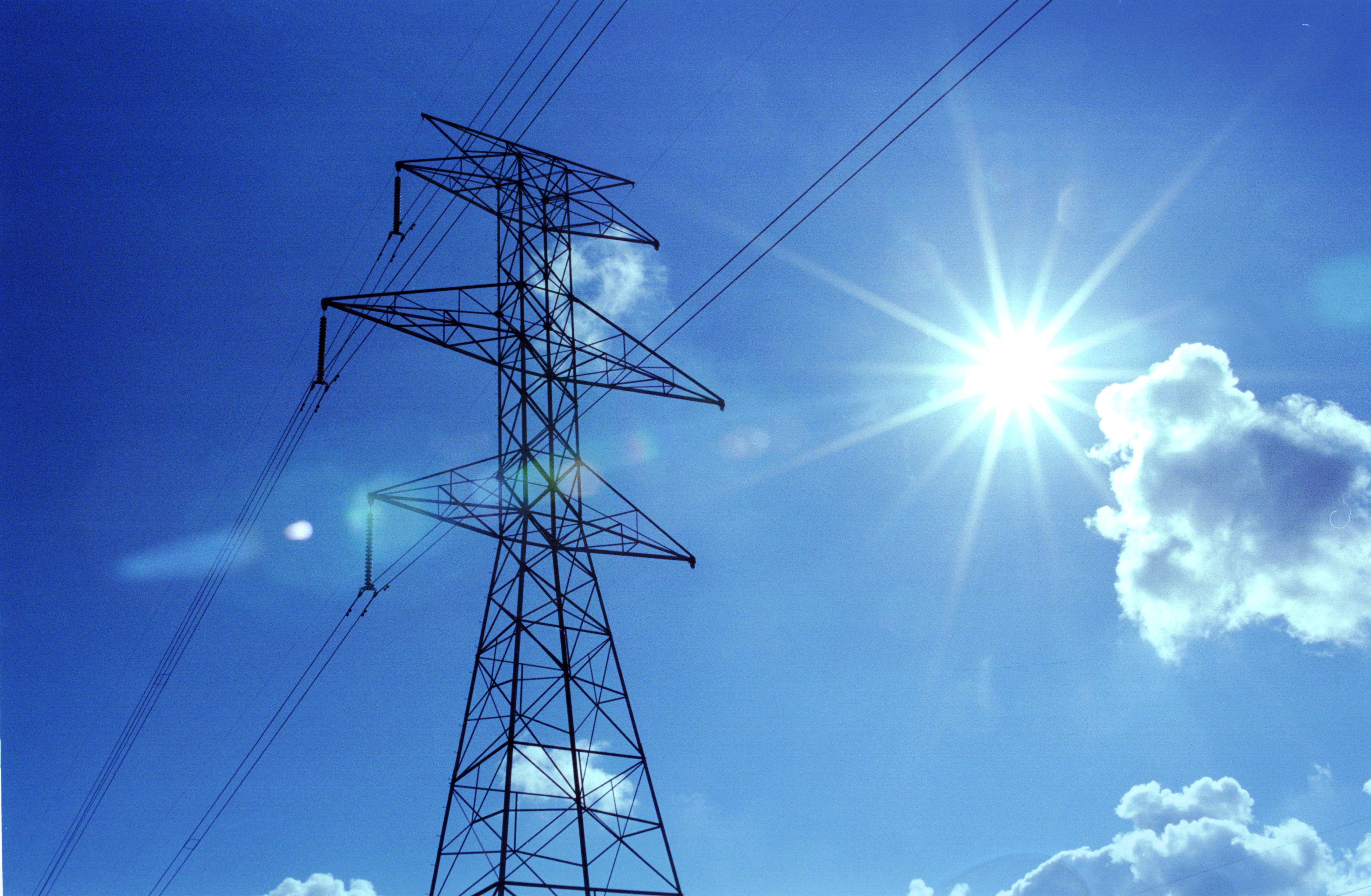
Both the historical and the present day civilization of mankind are closely interwoven with energy and there is no reason to doubt that in the future, our existence will be more and more dependent upon the energy. Electrical energy occupies the top position in the energy hierarchy. It finds innumerable uses in home, industry, agriculture and even in transport. Besides its use for domestic, commercial and industrial purposes, it is required for increasing defense and agricultural production. In agriculture, it is used for pumping water for irrigation and for improving the method of production and numerous other operations.
Electrical energy is a convenient form of energy because it can be generated centrally in bulk and transmitted economically over long distances and is almost pollution free at the consumer level. Further, it can be adopted conveniently in the domestic industrial and agricultural fields. The process of modernization increases productivity in industry and agriculture and improvement in the quality of life of the people depend so much on the supply of electrical energy that the annual per capital consumption of electrical energy has emerged these days as an accepted measure to measure the prosperity of a nation. Some of the advanced and developed nations of North America and Europe have a very high annual per capital consumption of electrical energy, say in more than thousand KWH, where as in India, annual consumption is in hundreds of KWH. The United States of America has only around 6-7% of world population but it accounts for over 30% of the electrical consumption of the world.
Electrical energy is considered superior to all other forms of energy, i.e., mechanical, sound, and light or heat. Because of its cheapness, it is easily controlled and has a greater flexibility. Electrical energy is very versatile form of energy; it can be easily converted into any other forms of energy. Though at present, about 3/4th of the total energy is still used in non-electrical form. It is expected that the electrical demand will continue to go up for many more years to come, even in developed countries. Electrical energy is generated by conversion of energy available in different forms from different natural sources such as kinetic energy of blowing winds, pressure head of water, chemical energy of fuels (either in solid, liquid or gaseous form) and nuclear energy of radioactive substances. There are still more other things that are at experimental stages, of little commercial or industrial importance.